
D301, Building D, No. 54-6, Guanlan Avenue, Xinhe Community, Fucheng Street, Longhua District, Shenzhen ,China

Search
NameDescriptionContent

Unlocking the Potential of Private 5G Networks
来源:
|
作者:WMQ
|
发布时间 :2025-10-15
|
101 次浏览:
|
🔊 Click to read aloud
❚❚
▶
|
Share:
Unlock the power of private 5G networks for enhanced connectivity, security, and efficiency. Learn how dedicated wireless networks improve performance, enable real-time data processing, and support mission-critical applications across industries.
In the digital transformation era, businesses are constantly seeking innovative solutions to enhance connectivity, security, and efficiency. Private 5G networks have emerged as a game-changing technology, offering unparalleled performance and control. This blog explores what private 5G networks are, how they work, and their transformative use cases across industries.
What Is a Private 5G Network?
A private 5G network is a dedicated wireless network designed to meet the specific needs of an organization. Unlike public 5G networks, which serve a broad user base, private 5G networks provide exclusive access, ensuring high speed, low latency, and secure connectivity. This makes them ideal for industries requiring robust communication and real-time data processing.
Private 5G vs. Public 5G: Key Differences
The primary distinction lies in exclusivity and customization. Private 5G networks are tailored to an organization’s unique requirements, offering enhanced security and performance. Public 5G, while widely accessible, lacks the same level of control and reliability, making private networks the preferred choice for mission-critical applications.
How Private 5G Networks Work
Private 5G networks leverage dedicated spectrum and advanced infrastructure to deliver seamless connectivity. Key components include:
- Small Cells:
Enhance coverage and capacity within a specific area.
- Advanced Antennas:
Ensure efficient signal transmission and reception.
- Edge Computing Nodes:
Process data locally, reducing latency and improving response times.
This architecture enables real-time data processing and reliable communication, making private 5G networks ideal for applications like industrial automation, smart cities, and healthcare.
Deployment Options for Private 5G Networks
Organizations can choose from several deployment strategies based on their needs:
- Standalone Deployment:
Offers maximum control and customization.
- Hybrid Deployment:
Combines private and public 5G for flexibility.
- Network Slicing:
Segments a public network for private use, balancing cost and performance.
- Managed Services:
Outsources network management to third-party providers for ease of operation.
Each option provides varying levels of control, cost, and complexity, allowing businesses to select the best fit for their goals.
Private 5G Network Architecture
The architecture of a private 5G network is designed to optimize data flow, minimize latency, and ensure high reliability. Key components include:
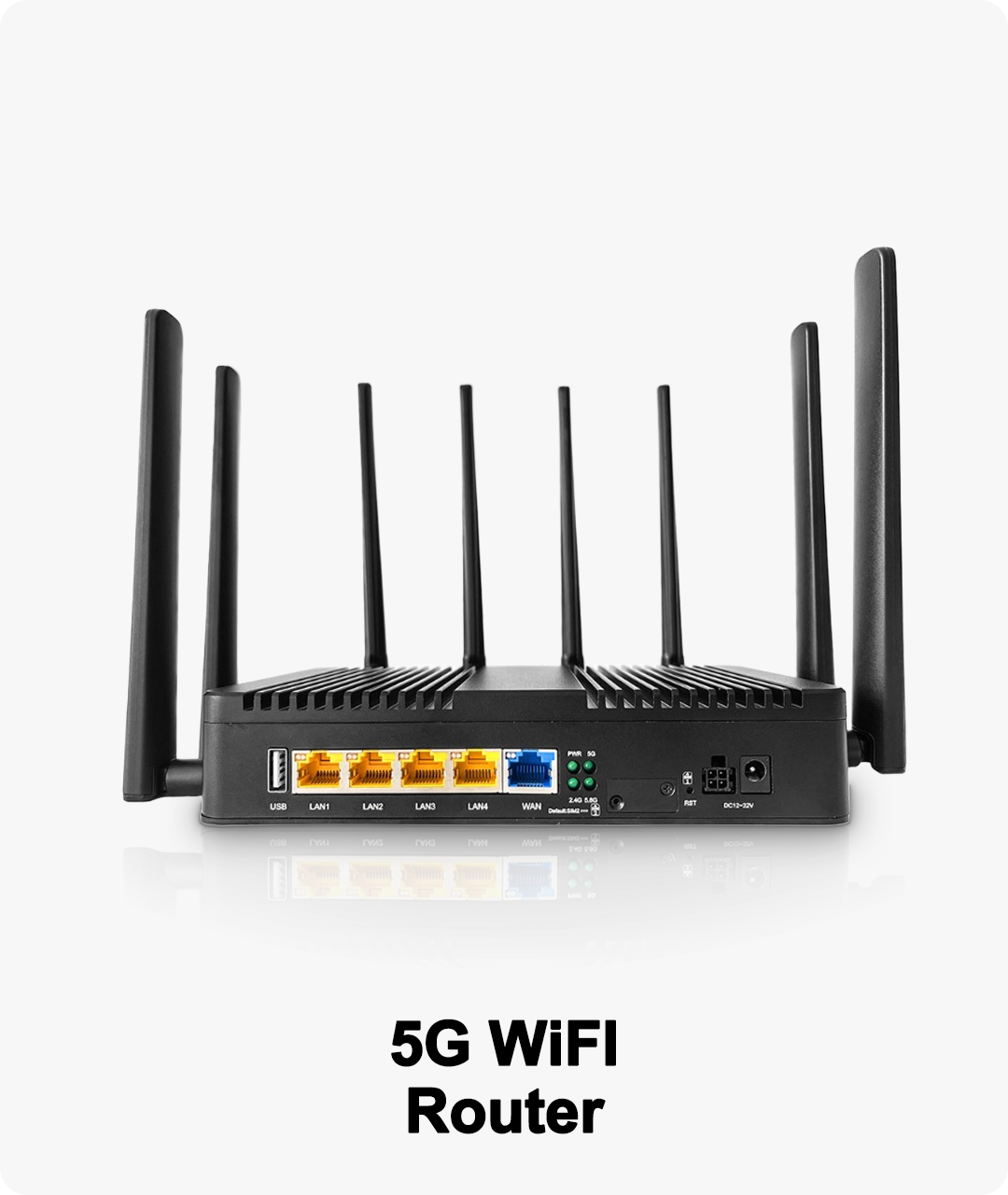
- Cellular Routers and Gateways:
Facilitate seamless connectivity and data management.
- Embedded System-on-Modules:
Integrate 5G capabilities into devices.
- Wireless Communication Modules:
Support reliable wireless communication.
- Remote Monitoring and Sensor Solutions:
Provide real-time data and analytics.
This robust architecture enables advanced applications and services, driving innovation across industries.
Spectrum Ranges in Private 5G Networks
Private 5G networks utilize different spectrum ranges to achieve varying performance levels:
- Low Band:
Offers broad coverage with lower speeds, suitable for wide-area applications.
- Mid Band:
Balances coverage and speed, ideal for urban environments.
- High Band:
Delivers ultra-fast speeds with limited range, perfect for high-demand areas.
Understanding these ranges helps organizations tailor their networks to specific use cases.
Key Technologies Powering Private 5G Networks
Private 5G networks are powered by cutting-edge technologies, including:
- Advanced Antenna Systems:
Improve signal strength and coverage.
- Network Slicing:
Enables multiple virtual networks on a single infrastructure, enhancing efficiency and security.
- Edge Computing:
Processes data closer to the source, reducing latency and improving response times.
These technologies work together to deliver the unique benefits of private 5G, such as enhanced security, speed, and coverage.
Advantages of Private 5G Networks
Private 5G networks offer several advantages that make them indispensable for modern businesses:
Enhanced Security
Private 5G networks provide dedicated resources, reducing the risk of data breaches and cyberattacks. Advanced encryption and access controls ensure that only authorized users can access the network.
Unmatched Speed
With download speeds of up to 10 Gbps, private 5G networks enable real-time data processing, transforming industries like healthcare, manufacturing, and transportation.
Superior Coverage
Private 5G networks eliminate dead zones and provide consistent performance across large areas, even in challenging environments.

+8615818538755
sales02@zbt-china.com


Copyright © Shenzhen Zhibotong Electronics Co., Ltd.
Quick Links
Search
NameDescriptionContent


Environment
Privacy Policy


Terms & Condition
