The Enterprise Perspective: Why 5G Won’t Replace WiFi in Business Environments
来源:
|
作者:WMQ
|
发布时间 :2025-07-29
|
85 次浏览:
|
🔊 Click to read aloud
❚❚
▶
|
Share:
From office towers to warehouses, businesses rely on WiFi for secure, high-capacity networking. This article explains why 5G will supplement—not replace—WiFi in the business world, with real-world examples and expert insights.
Introduction
Enterprises face complex networking needs. They need security, high speeds, scalability, and flexibility to support a range of users and devices. Can 5G really replace enterprise WiFi?
The Strength of WiFi in Business
Scalability: WiFi can connect hundreds of devices in open-plan offices, conference rooms, and warehouses.
Local Control: IT teams can configure and secure networks to meet regulatory and organizational standards.
Cost Efficiency: Fixed broadband plus WiFi supports high data volumes at predictable prices.
How Businesses Use 5G
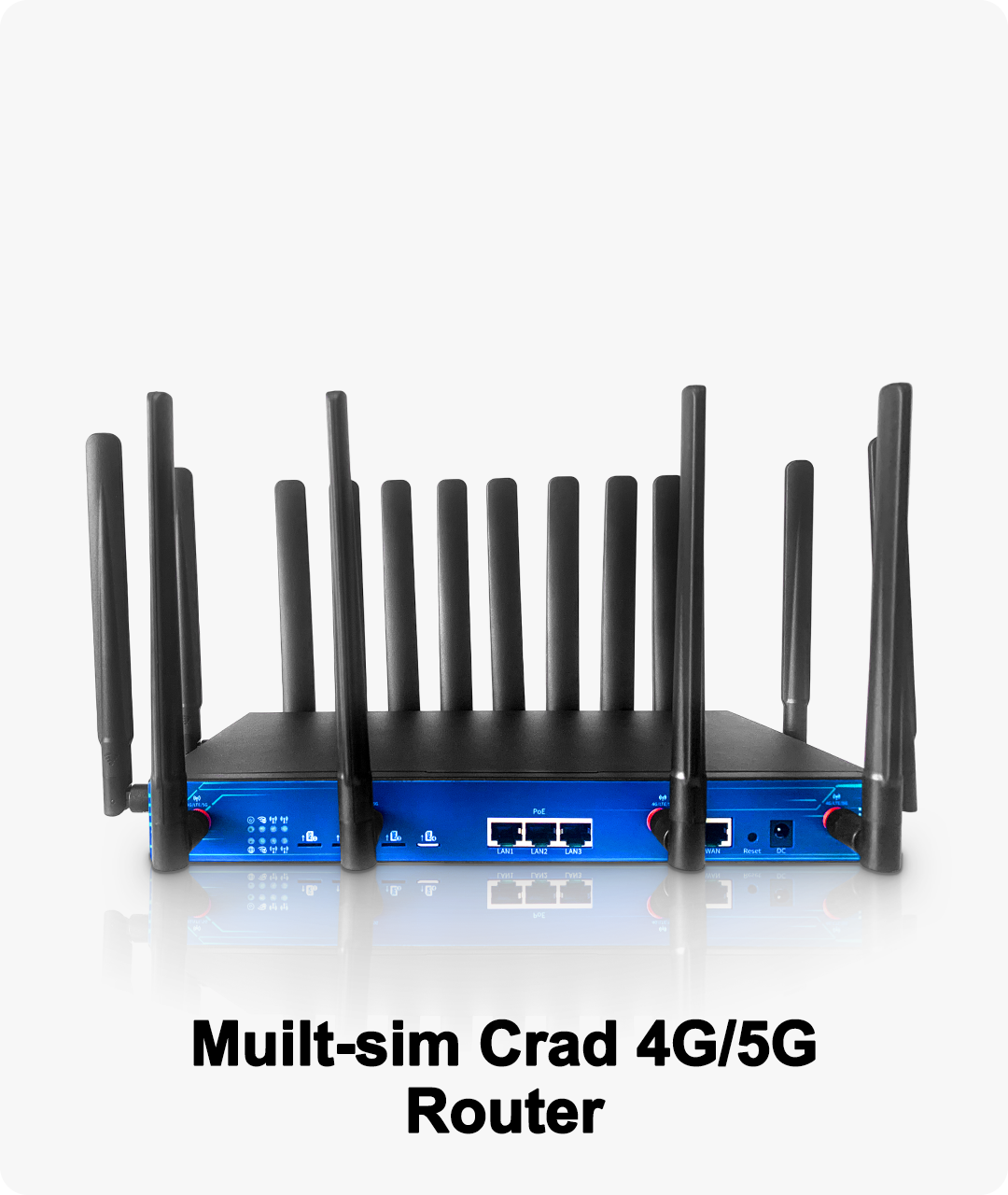
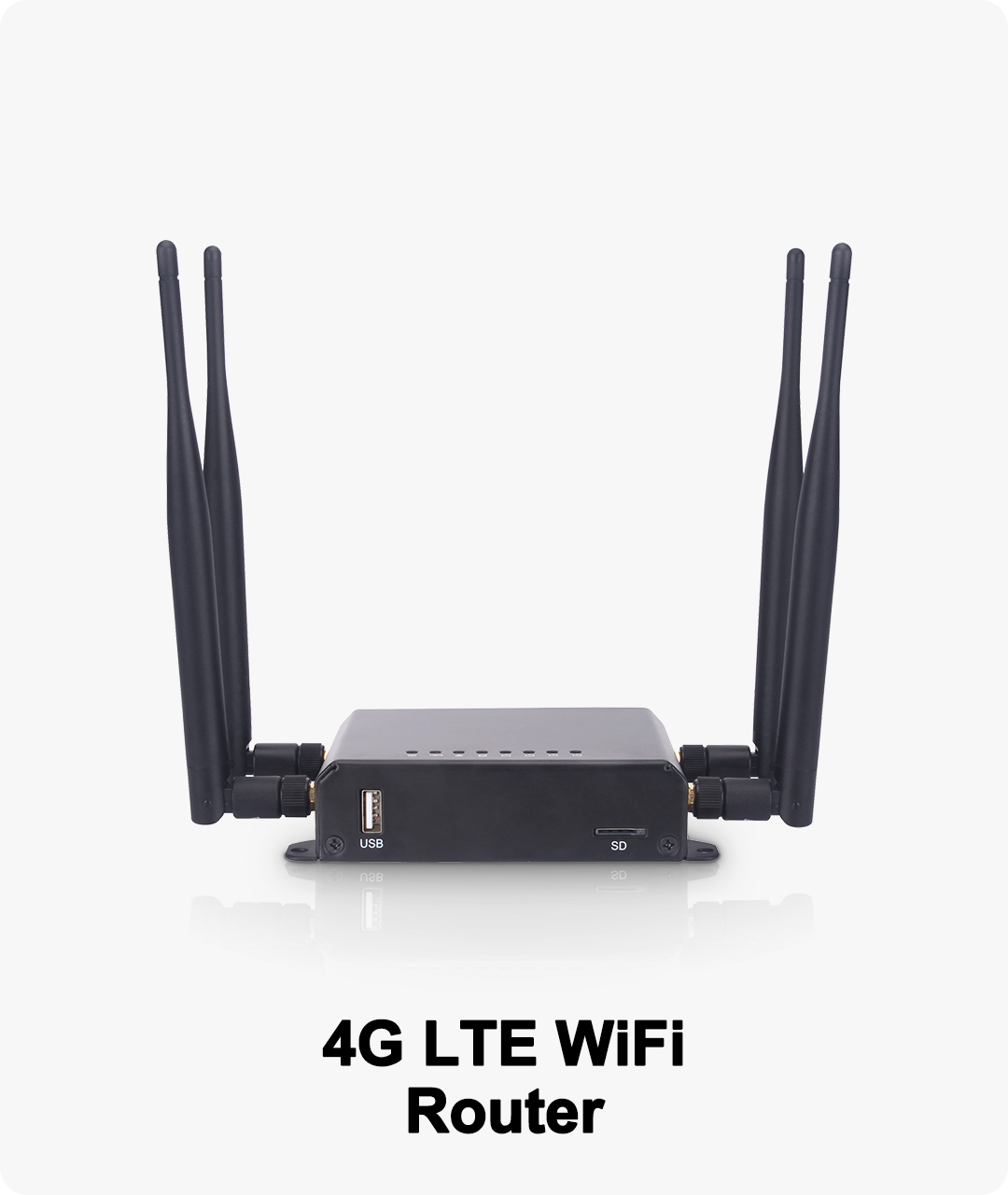
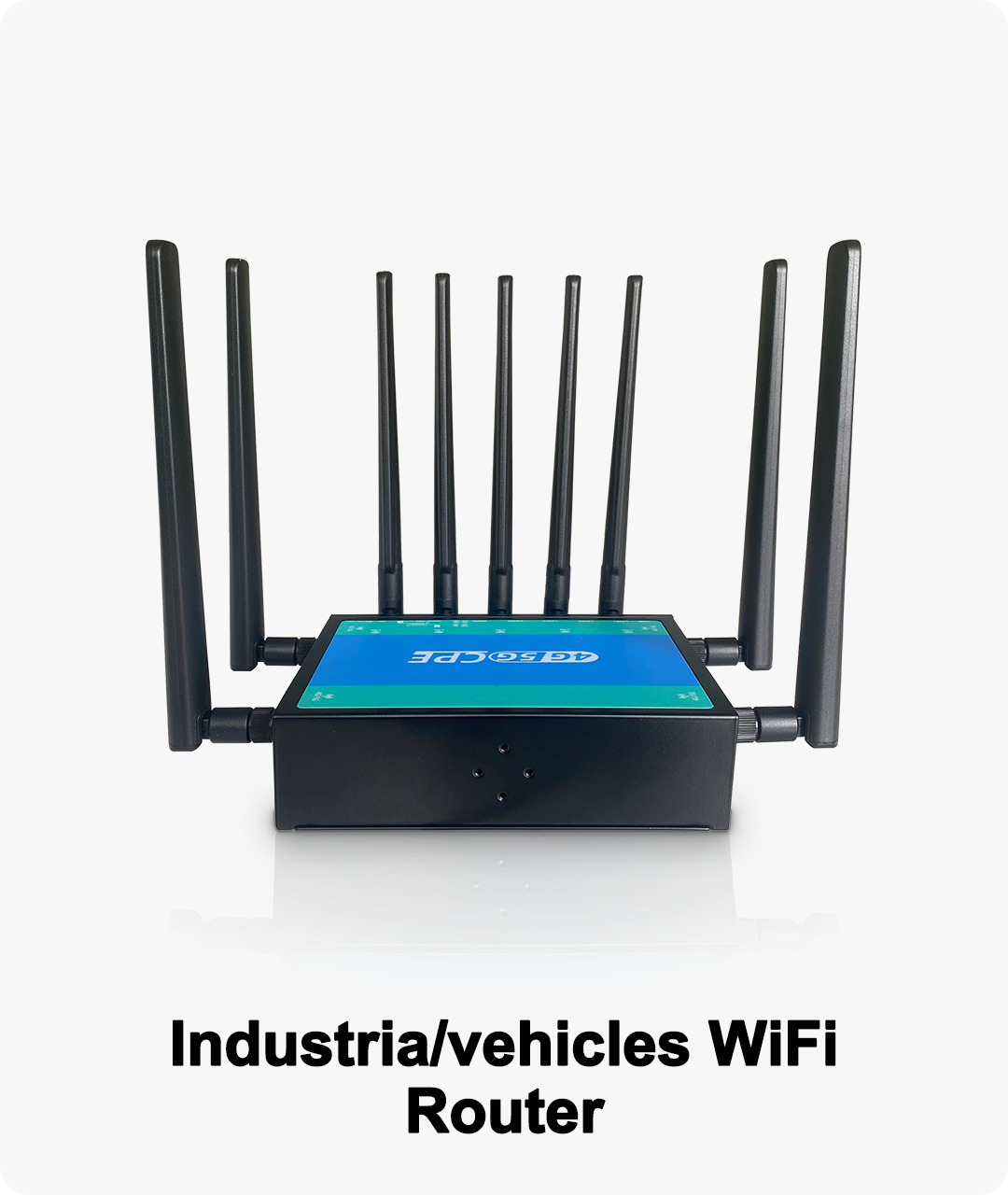
Field Operations: 5G connects remote teams, vehicles, and equipment in the field where WiFi isn’t available.
Redundancy: Some businesses use 5G as a backup if their primary internet fails, ensuring constant uptime.
Temporary or Pop-up Locations: 5G can quickly provide internet for events, construction sites, or remote offices.
Security and Compliance
WiFi: Easier to segment, encrypt, and monitor within a controlled environment.
5G: Security depends on carrier infrastructure, which may not meet every organization’s requirements.
Real-World Examples
Retail: Stores use WiFi for in-house operations, with 5G powering contactless payments and curbside pickup systems.
Healthcare: Hospitals rely on secure WiFi for internal records and devices, using 5G for ambulance communications and telemedicine outside the building.
Conclusion
The smart enterprise will continue to use both WiFi and 5G, choosing each where it makes the most business sense.