Digging into the technical aspects reveals why 5G and WiFi are built for different jobs. This article unpacks the science behind each and why future networks will blend both for best performance.
Introduction
Behind the buzzwords are two remarkable but different technologies. Understanding how 5G and WiFi work reveals why both are essential in our connected world.
How 5G Works
Licensed Spectrum: 5G uses licensed radio frequencies, allowing carriers to provide reliable, interference-free service across large geographic areas.
Network Slicing: 5G can dedicate different “slices” of bandwidth for special uses (e.g., emergency services, IoT, or entertainment).
Low Latency and High Throughput: Essential for real-time applications like self-driving cars, virtual reality, and massive IoT deployments.
How WiFi Works
Unlicensed Spectrum: WiFi operates on open frequencies, making it widely accessible and low-cost to deploy.
High Local Speeds: Latest standards (WiFi 6/7) support gigabit-plus speeds, low latency, and better management of many devices at once.
User Control: WiFi networks are easy to set up and modify, perfect for homes and local businesses.
Why We Need Both
5G’s Reach: Extends the internet to new places—moving vehicles, city centers, rural communities.
WiFi’s Depth: Handles dense device environments—homes, offices, airports—without data caps or high per-device fees.
Future Innovations
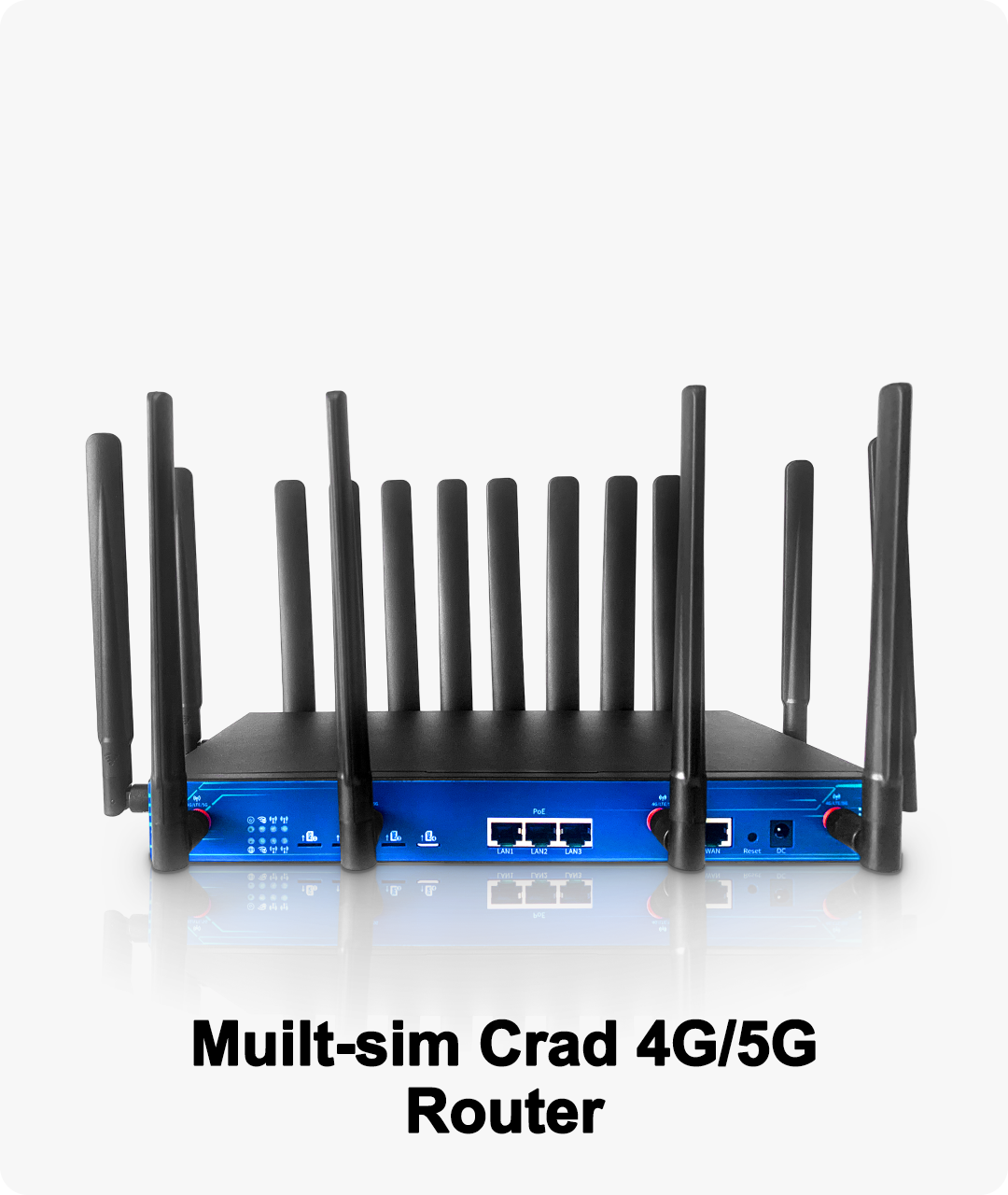
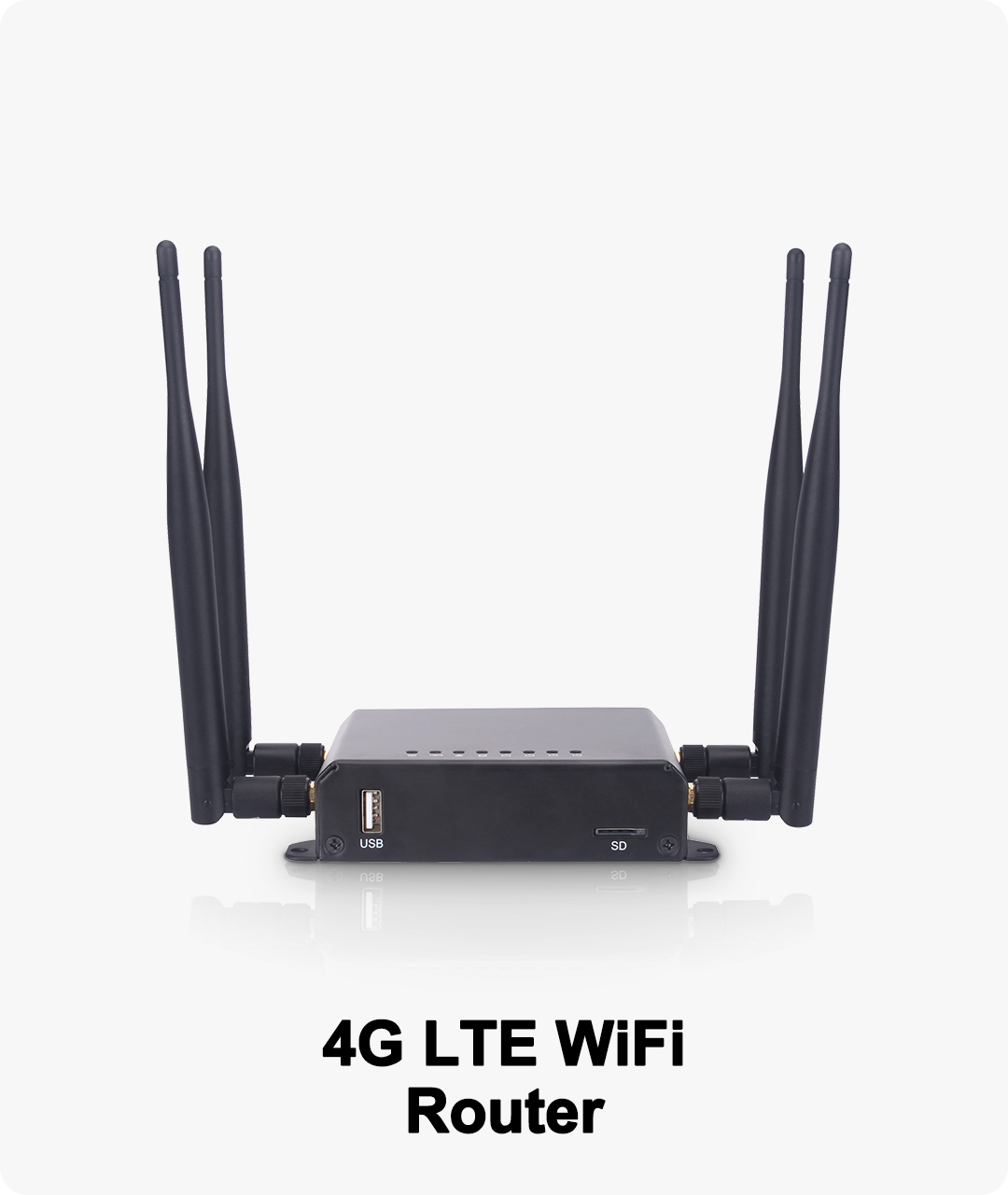
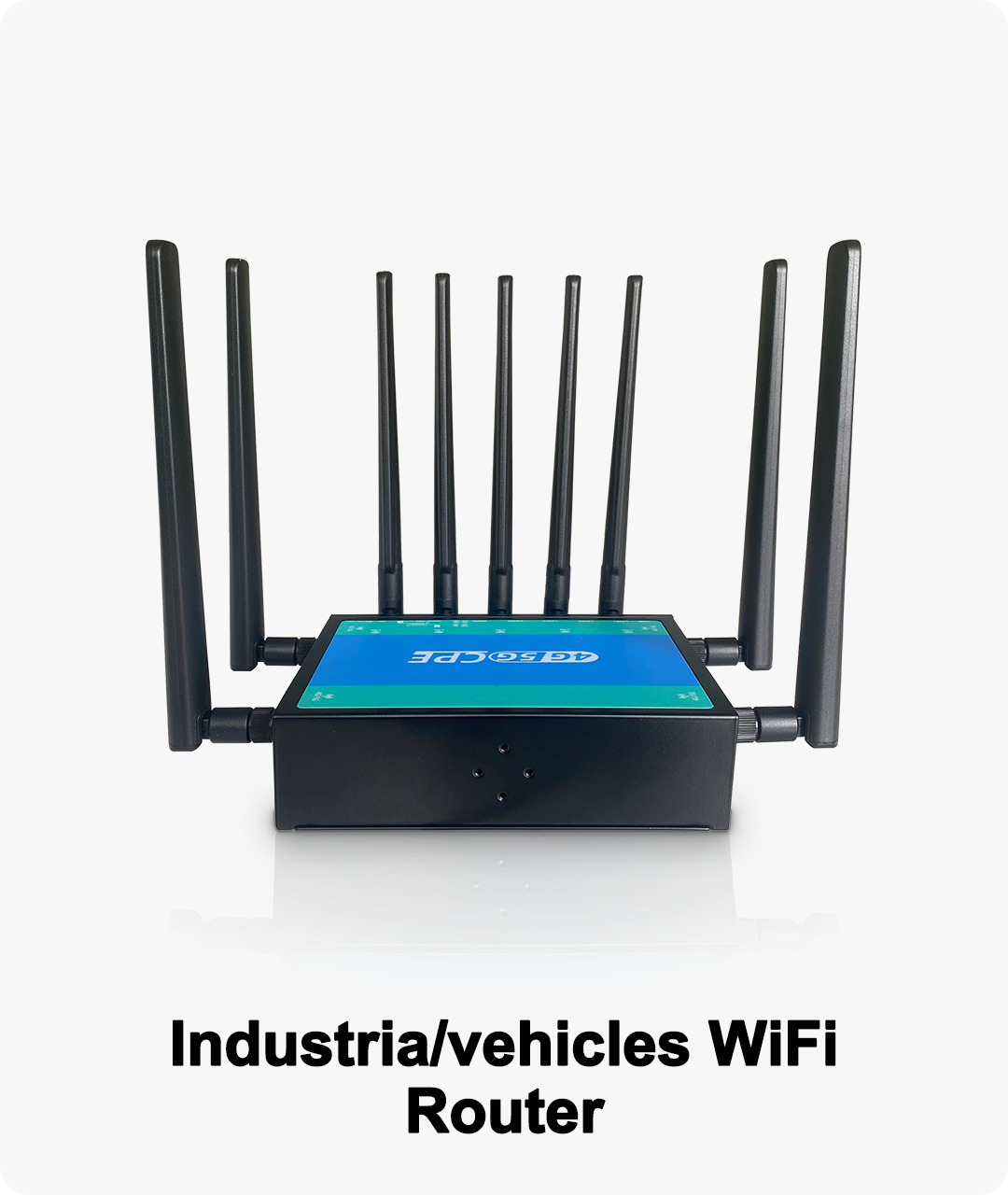
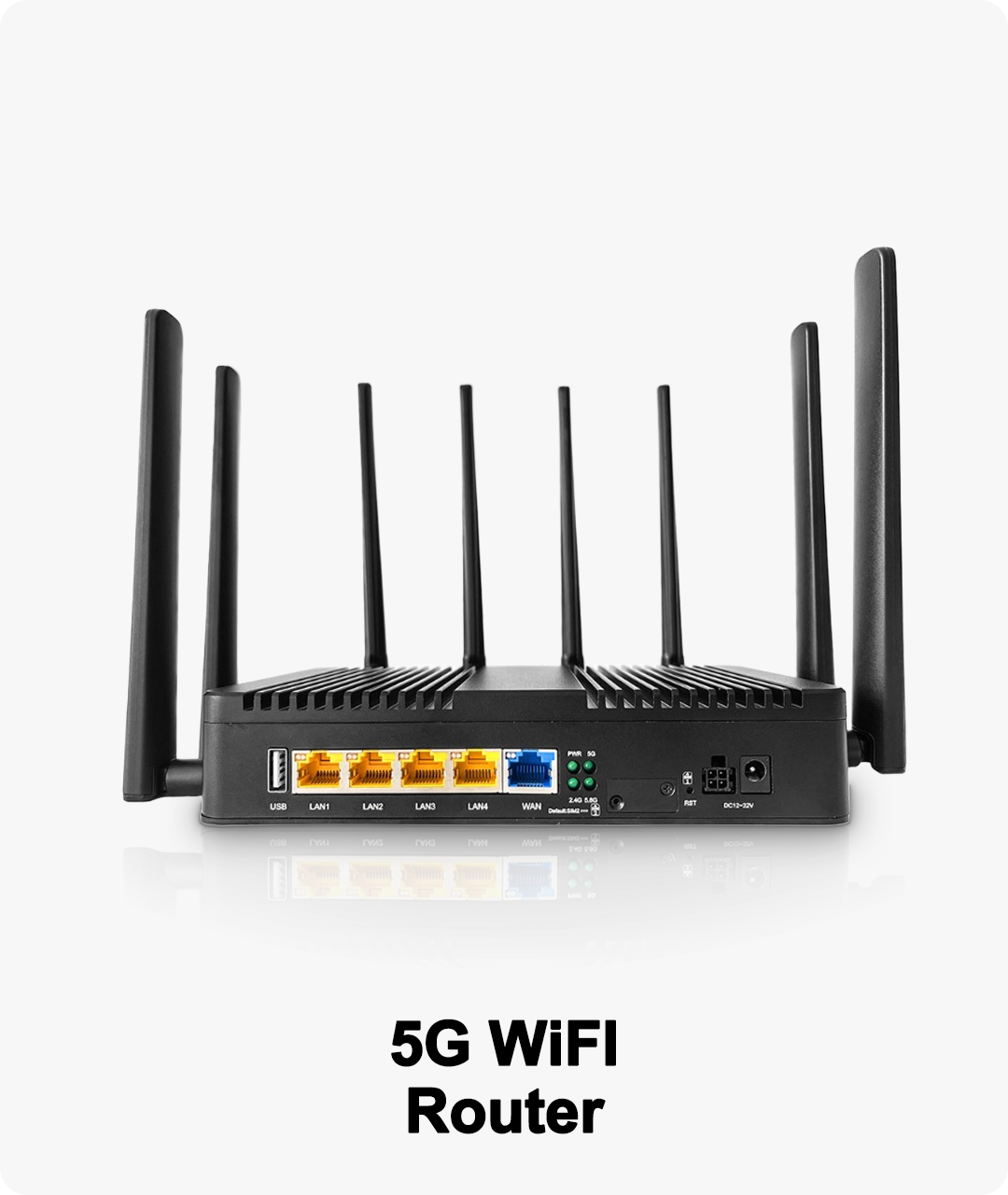
Devices, routers, and networks will increasingly blend 5G and WiFi, automatically selecting the best network for each situation. Hybrid routers and “smart switching” are becoming the new standard.
Conclusion
Rather than competing, 5G and WiFi are converging, ensuring the best, most efficient connectivity for everyone.